Back
Back
Purposeful Design
General News
30th Apr 2026
Generus Living’s developments, from care centres to community hubs and modern residences, share a clear design philosophy. “Create beautiful, future ready buildings that support resident wellbeing and sit comfortably within their natural surroundings.”
This approach is evident across the collection, whether it be the newly opened Pavilion at Pacific Lakes, the Pearson House restoration at The Foundation, or the Heathfield Residences nearing their completion at Holly Lea in Fendalton.
Purposeful, Resident Centred Design
Generus Living strives to design spaces that enhance daily life. Consideration is given to floor plans that prioritise ease of movement, intuitive wayfinding, and strong indoor–outdoor connections. The Pavilion at Pacific Lakes is a good example, with generous glazing, shaded outdoor areas, and flexible spaces that support social connection..
Natural Light and Orientation
Natural light is embraced in all villages, with larger windows and strategically placed skylights that draw daylight deep into interior spaces. This design approach reduces the reliance on artificial lighting and supports positive wellbeing outcomes.
Energy Efficient Building Envelopes
High performance insulation, double glazing, and durable exterior materials help maintain stable indoor temperatures throughout the year. These features contribute to comfortable, low energy homes and care environments across the Generus Living collection.
As part of the design process, our engineering consultants model predicted annual energy use for each building, enabling us to benchmark performance and reduce long term operating energy.
Passive Cooling and Ventilation
Buildings are shaped to encourage natural airflow wherever possible. Cross ventilation, shaded outdoor areas, and covered walkways help keep interiors cool in warmer months, reducing the use of mechanical cooling systems and supporting long term energy efficiency.
Spaces That Adapt
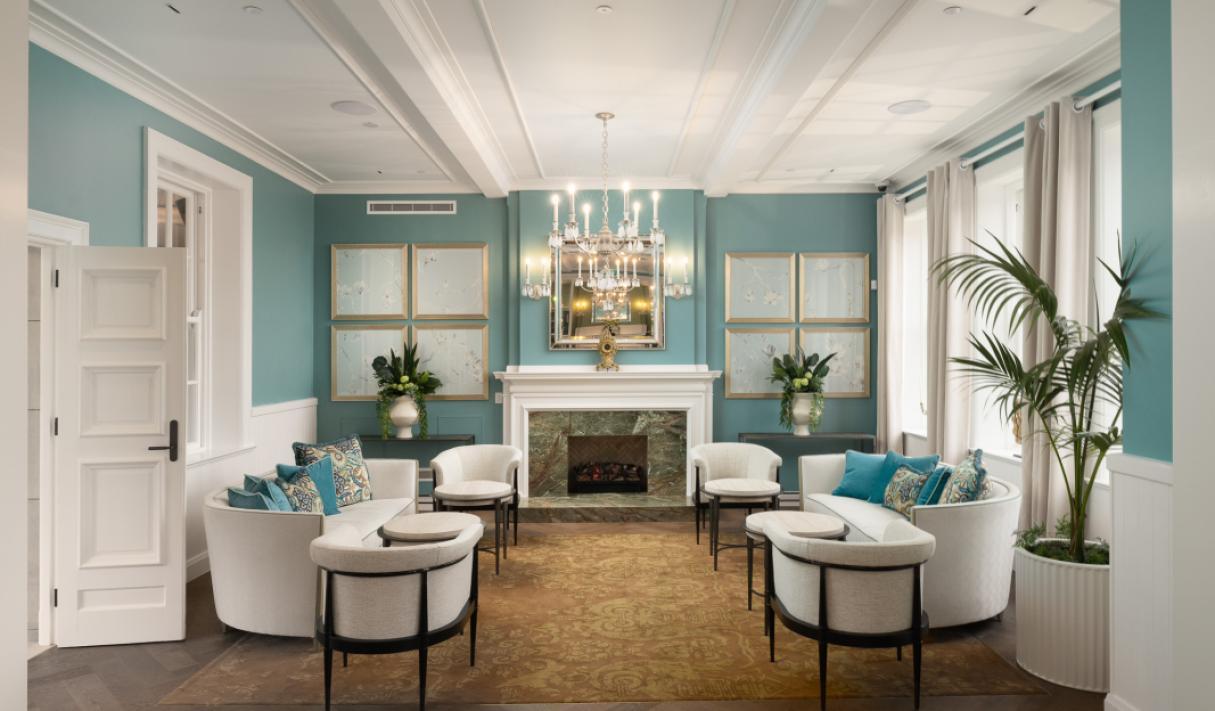
Generus Living designs buildings that allow for multi functional use. Flexible spaces within our community centres balance social, recreational, and wellness uses. Restored spaces such as Pearson House and Ranfurly House blend heritage character with modern functionality.
Future Proofing for Changing Needs
New developments incorporate modern, efficient systems, including LED lighting, smart controls, and energy efficient heating and hot water technologies. This future ready infrastructure supports long term resilience as sustainability standards and resident expectations continue to evolve.
Sustainable, Long Life Materials
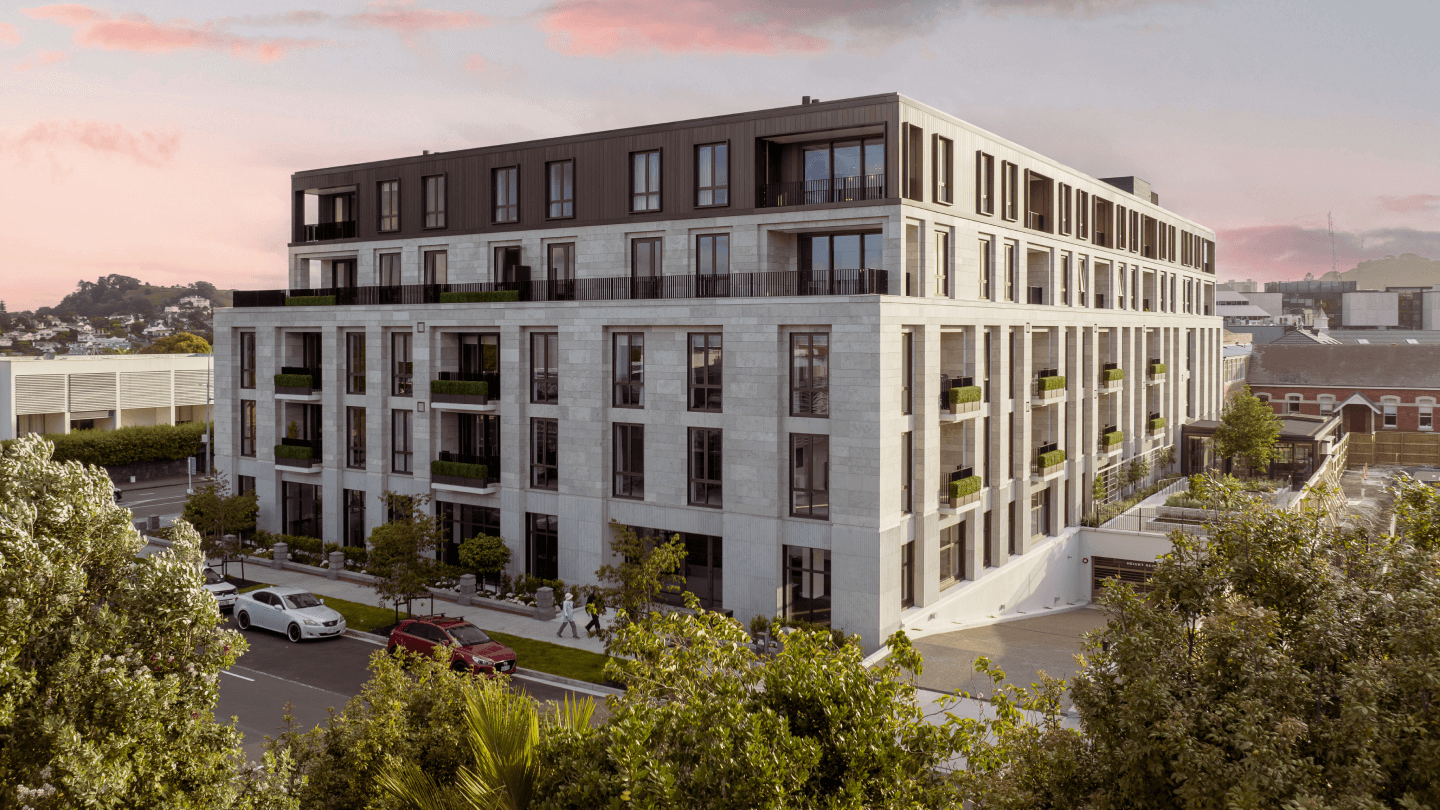
Durability and environmental performance guide material selection. Timber, stone, and high quality cladding are used across developments to support longevity, reduce maintenance demands, and ensure buildings remain robust and resilient in a changing climate.
“At The Foundation, for example, the use of Jura limestone for the façade gave us the durability we needed and a natural link to the heritage architecture in the precinct. It’s robust, low maintenance and ages well, but it also sits comfortably within the historic setting. That balance of long-term performance and character made it the right choice for the site,” says Richard Mora, General Manager of Development at Generus Living.
Built for a Longer Life
Generus Living takes a whole of life approach to development, designing buildings to perform well beyond standard durability expectations. Robust structural systems, adaptable building services, and future ready infrastructure reduce renewal requirements and support long term value for residents and investors. The focus on lifecycle performance is a key point of difference across the portfolio.
This aligns with emerging best practice across New Zealand’s building sector, where lifecycle value and long term durability are increasingly recognised as essential to sustainable development.
“Across all projects, Generus Living combines purposeful design, energy efficient principles, and long life materials to create buildings that are comfortable, resilient, and built to last, reflecting resident needs today and into the future,” says Richard. “By focusing on whole of life performance, we support resident wellbeing, strengthen long term asset value, and demonstrate our commitment to thoughtful, sustainable development.”
Share this article via: